
Quanah Parker (c. 1845–1911) was the last great chief of the Comanche and a central figure in Texas frontier history. He was born to a Comanche father, Chief Peta Nocona, and Cynthia Ann Parker, an Anglo-American woman who had been captured and adopted into the tribe as a child. Raised fully Comanche, Quanah grew up during a time when the Southern Plains were rapidly changing under pressure from westward expansion.
He emerged as a leader during the Red River War (1874–1875), a conflict between the U.S. Army and several Plains tribes resisting relocation to reservations. After years of fighting, Quanah surrendered in 1875 and led his people to the Fort Sill reservation in present-day Oklahoma. That decision marked a turning point. Rather than remain in opposition, he chose to negotiate, adapt, and advocate for his people’s survival in a new political reality.
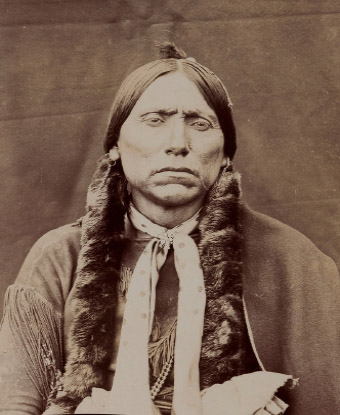
On the reservation, Quanah became a skilled diplomat and rancher. He encouraged the Comanche to learn new economic skills while also working to preserve tribal identity and traditions. He built relationships with Texas cattlemen and political leaders, including President Theodore Roosevelt. Though controversial at times, he was widely respected for navigating a difficult transition period with pragmatism and resolve.
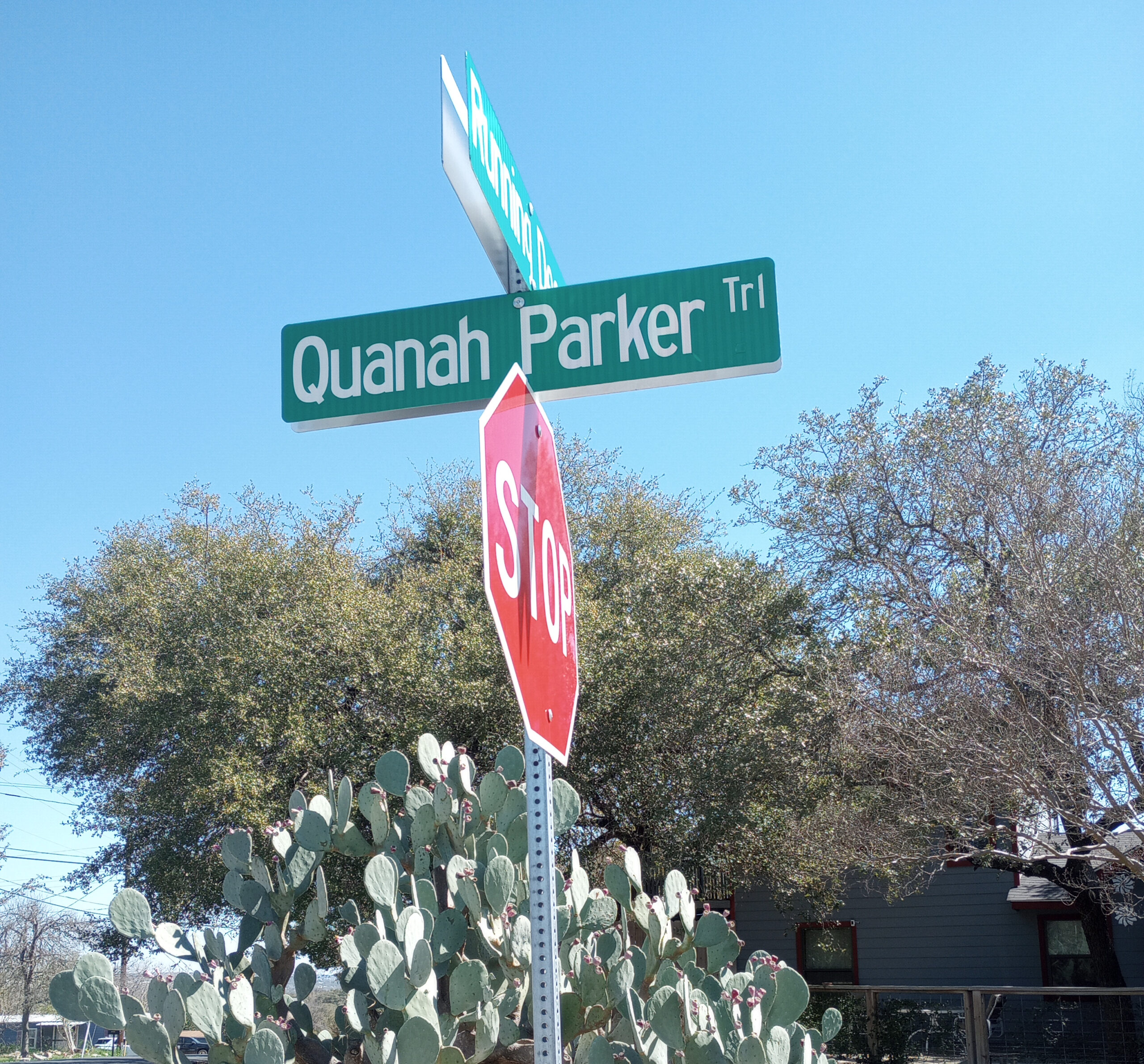
Quanah Parker’s legacy is one of resilience and leadership during profound change. A street named Quanah Parker Trail reflects the deep Native American history of Texas and the Comanche presence that shaped this region long before modern neighborhoods were built. His name serves as a reminder that the story of this land includes both struggle and adaptation — and leaders who bridged two worlds.
Post Categories